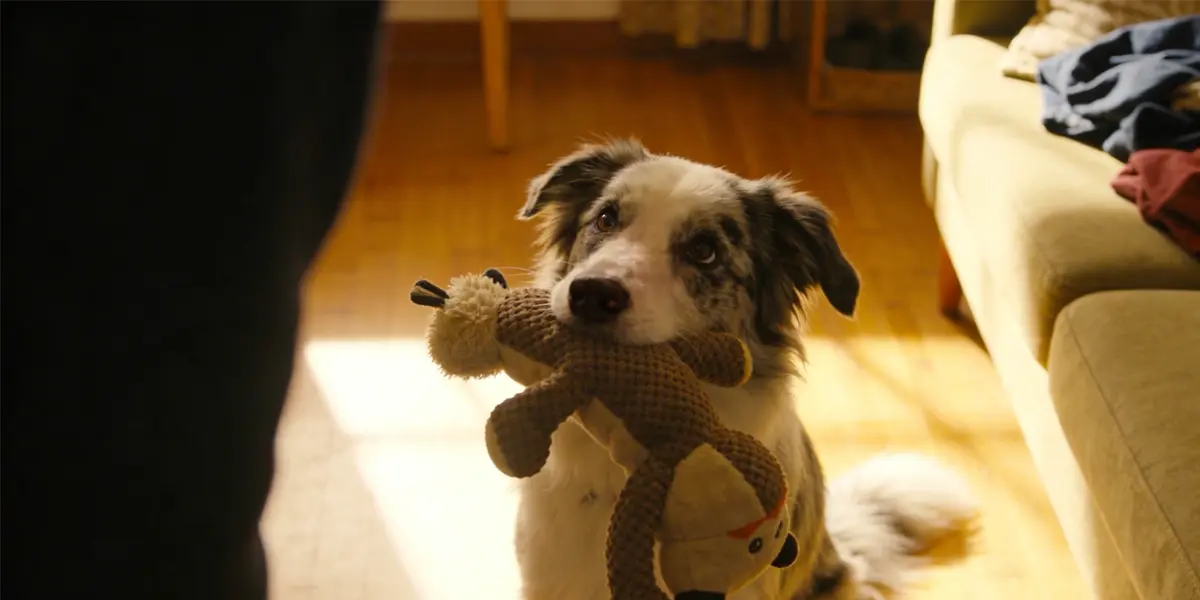
For many dog owners and pet industry professionals, the sight of a dog sprinting to the door with a toy in its mouth is a heartwarming ritual. However, this behavior is far more than a random quirk; it is a sophisticated blend of genetic instinct, emotional communication, and social strategy.
The Core Motivations: More Than Just an Invitation to Play
- Sharing a Prized Resource: When your dog brings you their most cherished toy, they are sharing something precious to them—second only to you. In canine social language, this represents a high-level display of trust and affection.
- Affirming Social Bonds: Dropping a favorite item at your feet serves as a big “I love you”. It reinforces your role as the pack leader and communicates their desire for your attention and approval.
- Genetic Drive and Instinct: Certain breeds, particularly retrievers, carry a natural “fetch” instinct in their DNA. Carrying an object provides these dogs with a sense of purpose and psychological comfort.
Redirecting Energy: A Tool for Behavioral Shaping
If your dog becomes overly excited—barking, jumping, or nipping when you walk through the door—you can use toy-carrying as a powerful energy management strategy.
- Occupying the Mouth: Encouraging your dog to find a toy creates a “replacement behavior”. A dog with a toy in its mouth is a dog that isn’t barking or nipping at your clothes.
- The Power of Positive Reinforcement: When you react with a smile or a pat as they present their toy, you communicate your approval of this calm greeting. This consistent feedback helps your dog manage the “stress” of your arrival and build a predictable routine.
Performance Specs: Selecting the Right Interactive Gear
To ensure these interactions remain safe and durable, Lucky Mfg recommends evaluating gear based on technical manufacturing standards:
| Toy Category | Best Use Case | Technical Requirements | Behavioral Benefit |
| Heavy-Duty Rubber | Aggressive Chewers | Must use thick, high-quality rubber with puncture resistance. | Satisfies the urge to chew and builds jaw strength. |
| Reinforced Ropes | Tug-of-War & Fetch | Multi-strand cotton or high-tensile fibers to prevent fraying. | Builds collaborative play and provides physical exercise. |
| Plush & Squeak | Comfort & Reward | Should feature reinforced seams and non-toxic internal squeakers. | Provides tactile feedback and emotional comfort. |
Decoding Other Social Signals
Beyond the “toy gift,” your dog uses several subtle cues to show they value your presence:
- The Loving Gaze: It isn’t your imagination—your dog genuinely gives you “loving looks” to show their affection.
- Post-Meal Affection: Food is vital, but many dogs prioritize snuggling with you immediately after they have eaten.
- Shadowing: Following you from room to room—even to the bathroom—simply shows their desire to be near you at all times.
Final Thoughts
Understanding why your dog brings you toys helps build a deeper, more professional bond with your pet. Lucky Mfg suggests keeping a basket of accessible toys near the entrance. This prevents the dog from searching for “improvised” gifts—like the trash—and ensures every homecoming starts with a positive, controlled interaction.

Hi, my name is Lina Zhang, I am the author of this article, and also the Founder of Lucky MFG, with 15 years of experience in the pet product industry. If you have any questions, you can contact me at any time.