
Table of Contents
As the global pet industry continues to grow, dog harnesses and collars remain the two foundational pillars of any successful pet product line. For brand founders and product developers planning their next private label collection, choosing between these two everyday essentials goes far beyond following current market trends.
Understanding the functional, mechanical, and physical differences between harnesses and collars helps you address real everyday pain points for pet owners. By partnering with an experienced contract manufacturer to avoid common design flaws, you can build products that keep dogs safe and keep customers coming back.
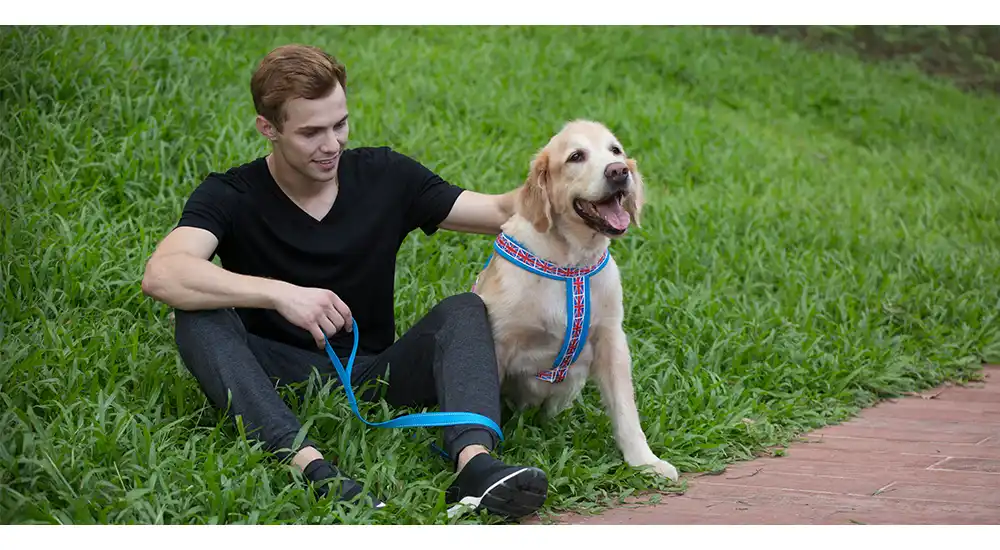
1. Market Overview: Why Modern Dog Owners Rely on Both
Today’s pet parents view their dogs as family members. That shift has raised expectations for pet gear, moving everyday accessories from simple control tools to products focused on comfort, safety, and specific activities.
Everyday Walks vs. Outdoor Adventures
- Quick outings and ID tags: For casual neighborhood strolls, quick bathroom breaks, or hanging ID tags, owners prefer lightweight collars that slip on and off with ease.
- Outdoor adventures and heavy pullers: For hiking, running, car rides, or walks with energetic dogs that tend to pull, owners look for ergonomic harnesses that distribute pressure evenly and feature helpful control handles.
Successful pet brands rarely treat this as an either-or choice. By offering a thoughtful mix of both, you cover every scenario a pet owner encounters, which naturally increases average order values and builds stronger brand loyalty.
2. Engineering and Control: Harnesses vs. Collars
When you look at how collars and harnesses work mechanically, each option serves a very different purpose in training, comfort, and safety.
The Everyday Collar: Precise Training and Quick Identification
- Clear communication: A collar sits high on the neck near the ears, acting as a natural pivot point. This placement gives you instant, direct feedback, making collars a favorite for loose-leash training and basic obedience work.
- Lightweight convenience: Simple and unobtrusive, collars are comfortable for round-the-clock wear and serve as the ideal home base for ID tags and safety lights.
- Physical limitations: If a dog lunges or pulls hard, all that pressure concentrates directly on the windpipe and neck. Over time, that strain can risk throat, thyroid, or spinal injury, making standard collars a poor fit for strong pullers or brachycephalic (flat-faced) breeds.
The Dog Harness: Ergonomics, Safety, and Load Distribution
- Even pressure distribution: A harness spreads pulling force across the dog’s chest, ribs, and shoulders rather than the neck. This protects the airway and makes harnesses essential for dogs prone to breathing issues or neck sensitivities.
- Better security and steering: Y-shaped designs and multi-point adjustments prevent clever escape artists from slipping out backward. Front-clip attachment points also redirect forward momentum, helping owners gently guide strong pullers to the side.
- Potential fit issues: If a harness features poor cut lines, the front straps can restrict shoulder movement during a natural stride. Rough webbing edges can also rub against sensitive areas under the armpits.
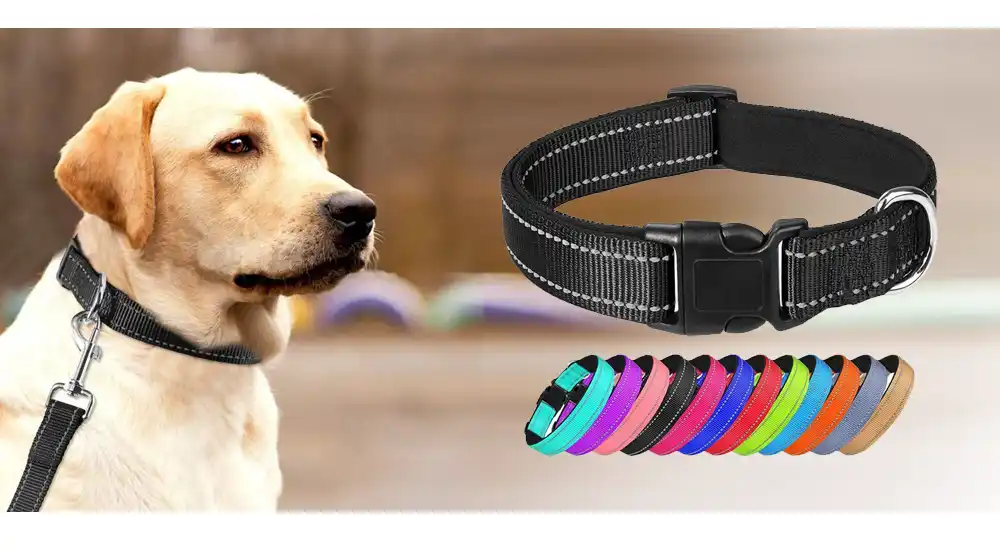
3. Solving Common Design Flaws Through Better Manufacturing
A reliable contract manufacturing partner helps you eliminate these common pain points during the product development phase, helping you reduce returns and build lasting product quality.
Optimizing Materials to Prevent Chafing
- Durable outer fabrics: For rugged and outdoor-focused harnesses, outer layers made from tough, weather-resistant oxford fabric stand up to brush and heavy use. For warm weather lines, breathable air mesh keeps dogs cool.
- Soft padding: Embedding thick neoprene or EVA foam padding along high-pressure chest and back panels cushions sudden jolts while drying quickly after water play.
- Smooth edge binding: Wrapping all exposed webbing edges in soft nylon or polyester binding completely eliminates the stiff, sharp edges that cause skin irritation.
Hardware Reliability and Rigorous Testing
Fittings and hardware form the first line of defense for pet safety. In professional manufacturing, every load-bearing component meets strict industrial standards:
- Metal hardware: Solid zinc-alloy swivel snaps and welded stainless steel D-rings resist bending or snapping under extreme force.
- Tensile strength testing: Every size tier undergoes rigorous pull testing to ensure buckles and anchor points hold up against high dynamic loads.
- Salt spray testing: Metal plating resists corrosion from rain, mud, and saltwater, keeping hardware rust-free and functional over time.
Functional Upgrades for Everyday Convenience
- High-visibility reflective details: Weaving reflective threads directly into the webbing or printing high-visibility strips onto the fabric keeps dogs safe during early morning and night walks.
- Reinforced traffic handles: Adding a sturdy rubber or reinforced webbing handle along the back gives owners a secure grip when navigating traffic or crowded areas.
- Custom patch areas: Hook-and-loop panels let owners attach personalized name tags or service patches with ease.
4. Matching Product Lines to Your Brand Identity
Your target audience and sales channels should guide your material choices and product development strategy.
- Focusing on outdoor and functional gear: If your brand centers around outdoor exploration, tactical styling, or large-breed adventures, build out a harness line featuring front-clip steering, multi-point adjustments, and heavy-duty buckles.
- Focusing on everyday lifestyle and fashion: If your brand leans into urban daily life and aesthetic appeal, focus on printed oxford fabrics, custom jacquard webbing, and lightweight collars paired with matching leashes.
- Building a cohesive product collection: For emerging brands, the most profitable launch strategy is offering a complete matching set: a functional harness, a matching collar, a versatile leash, and a waste bag holder. Sharing custom colors and patterns across items keeps material costs down while boosting perceived value for shoppers.
5. Partnering with a Private Label Manufacturer
Turning a great design into a market bestseller takes a manufacturing partner with flexible production capabilities and strict quality control.
- Custom branding options: Bring your visual identity to life with high-definition rubber patches, woven labels, multi-head embroidery, and custom-dyed webbing that matches your exact color palette.
- Tailored packaging: Deliver retail-ready products using custom polybags, branded header cards, and barcode stickers tailored for direct fulfillment or retail shelves.
- Reliable production support: Access in-house webbing production, heavy-duty sewing equipment, and dedicated testing labs. Standard samples typically take five to seven days, bulk production runs finish in twenty to thirty days, and low minimum order quantities help you test new ideas without heavy upfront inventory risks.
6. Conclusion and Next Steps
Whether you choose to focus on harnesses, collars, or a complete matching collection, quality materials, thoughtful ergonomics, and reliable safety standards form the foundation of a lasting pet brand. Teaming up with an experienced contract manufacturer helps you streamline product development and bring exceptional gear to market with confidence.
If you are currently planning your next private label collection or need help developing custom samples, reach out to our engineering team today to discuss material options and custom manufacturing solutions.

Hi, my name is Lina Zhang, I am the author of this article, and also the Founder of Lucky MFG, with 15 years of experience in the pet product industry. If you have any questions, you can contact me at any time.


