
Dog collar or Dog harness, which one is Better?
Let’s analyse both dog collar and dog harness with their advantages and disadvantages in different situations.
Firstly, should we recommend using Dog harness? Please see below analysis:
Why Many Dog Trainers Do Not Recommend Harnesses
Many professional dog trainers prefer not to use harnesses, especially for training. Their main concern is how a harness can affect a dog’s behavior and their own ability to communicate.

They Can Encourage Pulling
A back-clip harness can trigger a dog’s natural “opposition reflex.” This is the instinct to push against pressure. When a dog feels pressure on its chest and shoulders, it often leans in and pulls harder. Because the pressure is spread out, it feels comfortable for the dog to pull, which rewards and reinforces the behavior.
They Offer Less Control
Harnesses distribute leash pressure across the dog’s strong body. This means your guidance and signals feel less clear to the dog. A collar, placed on the neck, allows for subtle, immediate communication. With a harness, your cues are delayed and less direct, making it harder to guide your dog quickly.
They Can Hide Behavior Problems
A harness can be a “quick fix” for a pulling dog. It manages the symptom (the pull) but doesn’t teach the dog not to pull. This means underlying issues like excitement or fear (reactivity) are never properly addressed. The dog learns it can still move forward while pulling.
Poor Fit Can Cause Problems
A badly fitted harness can be uncomfortable. It can rub, chafe, or restrict a dog’s shoulder movement. An ill-fitting harness can also be easy for a clever dog to escape from, creating a dangerous situation.
The Truth About Harnesses: Pros and Cons
Harnesses are not all bad. It’s important to see both sides to make a fair choice.
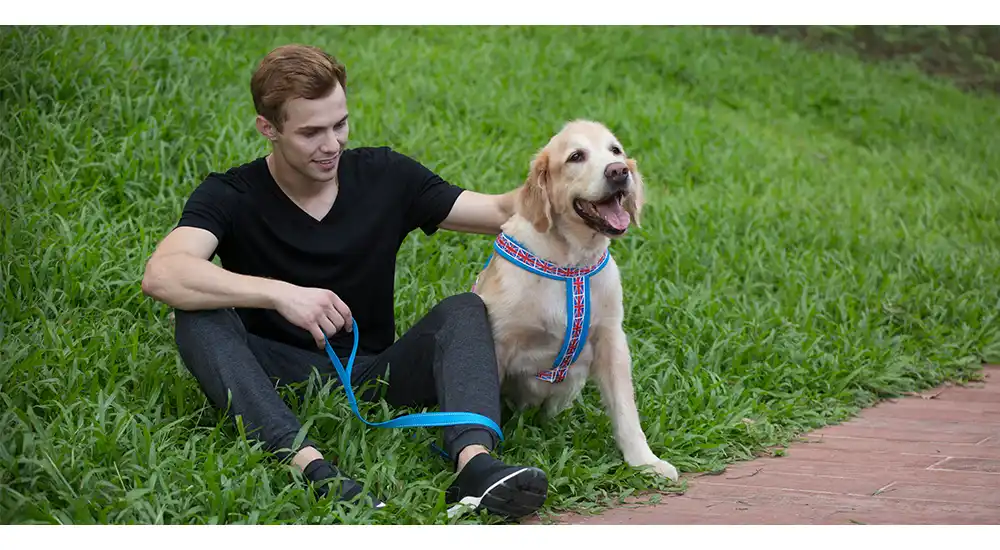
The 3 Main Advantages of Dog Harnesses
- No Neck Strain: Harnesses spread pressure over the chest and shoulders. This is much safer for dogs with neck, throat, or spinal issues.
- More Secure: They are excellent for preventing escapes. This is ideal for “Houdini” dogs or breeds with narrow heads (like Greyhounds) who can slip out of collars.
- Helpful Handles: Many harnesses have a handle on the back. This is great for helping your dog into a car, over obstacles, or keeping them close in a crowd.
The 3 Main Disadvantages of Dog Harnesses
- Encourages Pulling: As discussed, many harness designs are to make pulling easily and comfortable for the dogs.
- Less Training Control: They do not offer the same level of precise communication as a collar or head halter for teaching leash manners.
- Bulky harnesses: Some harnesses are heavy or complicated to put on, which will be annoying for daily usage.
Harness vs. Collar: A Direct Comparison
Choosing between a harness and a collar depends on your dog and your goals.
Control and Training
For teaching specific commands like “heel,” collars provide clearer, faster feedback. The connection from the leash to the neck allows you to gently guide your dog’s head, which helps direct their whole body. Harnesses are less effective for this kind of precise training.
Safety and Health
For safety and physical health, harnesses are often the winner. They protect the neck and trachea. Collars can pose a risk of injury if a dog pulls hard or suddenly lunges.
Here is a simple table to compare them directly:
| Feature | Harness | Collar |
| Neck Safety | High – Great for delicate necks | Low – Risk of injury from pulling |
| Control for Training | Low to Medium – Signals are less clear | High – Allows for immediate feedback |
| Encourages Pulling | Higher – Makes it comfortable | Lower – Pressure on neck is less comfortable |
| Security | High – Harder to escape | Medium – Some dogs can slip out |
When is a Harness the Best Choice?
Despite the training drawbacks, harnesses are the best tool in several situations.
For Health Reasons
If your dog has a tracheal collapse, a neck injury, or is a breed prone to breathing issues (like Pugs or Bulldogs), a harness is non-negotiable. It is the safest option to avoid harming their airway.
For Specific Dogs
- Puppies: Their tiny necks are very delicate. A harness is a gentle way to introduce them to a leash.
- Anxious Dogs: The secure feeling of a harness can help calm a nervous dog.
- Escape Artists: If your dog is known to back out of its collar, a well-fitted harness is a must for safety.
For Outdoor Activities
For hiking, running, or climbing, a harness is ideal. The handle gives you extra control on tricky terrain, and it ensures any pulling or sudden movements won’t hurt your dog’s neck.
What Alternatives Do Trainers Recommend?
If a harness isn’t right for your training goals, here are the tools trainers often suggest.
Flat Dog Collar
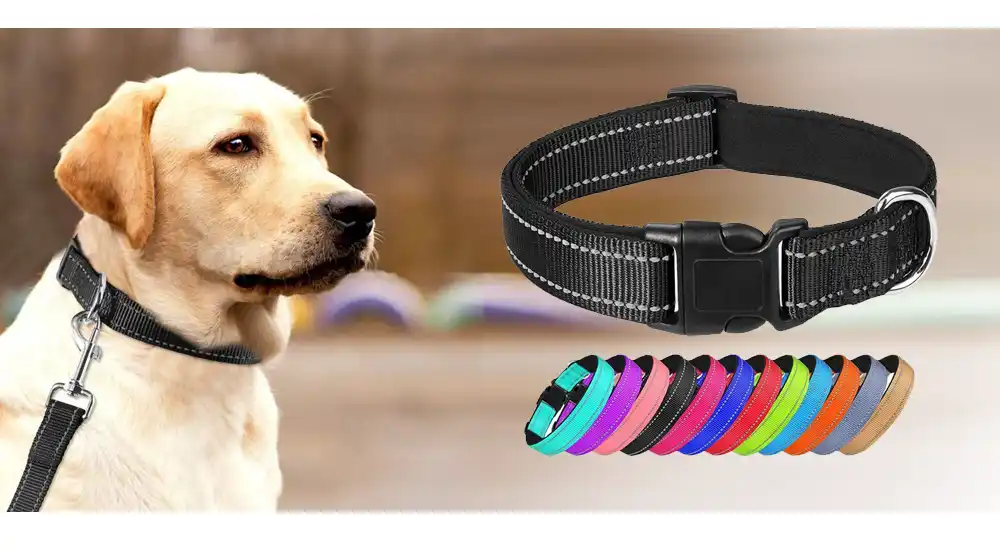
This is the standard, basic collar. It’s perfect for well-trained dogs or for holding ID tags.
- Pros: Simple, provides direct communication.
- Cons: Not for strong pullers, as it can damage their neck.
Dog Head Halter

This fits like a horse’s halter, gently guiding the dog’s head. Where the head goes, the body follows.
- Pros: Offers the highest level of control without force; excellent for reactive dogs.
- Cons: Requires a slow, positive introduction for the dog to accept it.
Slip Lead

A single piece of rope that tightens slightly when there is tension and loosens when there is none.
- Pros: Great for quick corrections in training setting; simple and lightweight.
- Cons: Must be used correctly to avoid constant pressure on the neck.
Final Conclusion: Making the Right Choice for Your Dog
There is no single perfect tool for every dog.
- Choose a Harness if your priority is your dog’s physical safety from neck injury, for specific activities, or if your dog is an escape risk.
- Choose a Collar or Alternative if your main goal is effective communication and training, especially for teaching loose-leash walking.
The best choice always depends on your dog’s unique needs, health, and behavior. For the best way to choose a suitable one is to talk to a certified professional dog trainer. They can give you personalized advice to help you and your furry friend walk together in harmony.

Hi, my name is Lina Zhang, I am the author of this article, and also the Founder of Lucky MFG, with 15 years of experience in the pet product industry. If you have any questions, you can contact me at any time.


